Quick answer
- Pa measures pressure difference, a rough proxy for suction.
- Above roughly 10,000 Pa, brush design, airflow and sealing matter more than more Pa; 2026 flagships rate 30,000–40,000 Pa.
- Max-power modes drain the battery fast and are louder; carpet boost uses them only where needed.
What Pa actually measures
Pascals measure how much lower the pressure is inside the vacuum than outside. More difference can mean stronger suction at the nozzle, but it says nothing about airflow volume or how well the brush lifts debris into that airflow.
Why the number misleads
- No common test. Brands measure under different conditions, often at the fan, not the floor.
- Peak figures. The headline usually applies to max mode only.
- Sealing. A robot that seals well against carpet uses its suction efficiently; one that leaks air wastes it.
How much do you need?
| Floors | Sensible minimum | Examples |
|---|---|---|
| Hard floors only | 5,000 Pa+ is plenty | Almost any current model; even budget robots exceed this |
| Low-pile carpet, light pets | 10,000 Pa+ | Q10 S5+, Qrevo S Pro |
| Thick carpet, heavy shedding | 20,000 Pa+ with a strong, sealed brush | Dreame X60 Max Ultra, Saros 20 Sonic |
What matters more than Pa
Brush type (rubber or anti-tangle beats plain bristles), carpet boost, bin and filter cleanliness, and good edge cleaning. That's why our rankings are based on reported real-world pickup, not spec sheets. See how we test, or jump to the best robot vacuums for carpet.
Prices change often on Amazon. Check the live price before you buy.
Frequently asked questions
How much suction does a robot vacuum need?
For hard floors, almost any current robot has plenty. For carpet and pet hair, 10,000 Pa and up helps, but beyond that brush design and carpet sealing matter as much as more Pa.
Is a 40,000 Pa robot twice as good as 20,000 Pa?
No. Makers measure differently and the figure is often a peak in max mode. Real-world pickup differences are much smaller than the numbers suggest.
Keep reading
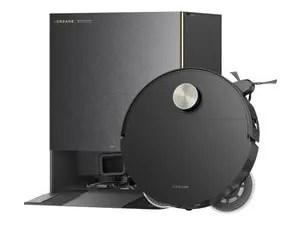 Best OfBest for carpetThe best robot vacuums for carpet and rugs in 2027: strong airflow, carpet sealing, hair-resistant brushes and…
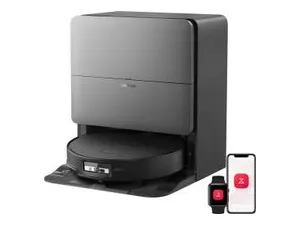 Best OfBest robot vacuumsThe best robot vacuums for 2027, ranked for every home and budget, with vacuum-mop and self-emptying picks fro…
 Best OfBest budget robot vacuumsThe best budget robot vacuums for 2027: cheap robots with LiDAR mapping and self-emptying bases, plus what you…ComparisonsRobot vs stick vacuumRobot vacuum vs cordless stick vacuum: daily maintenance vs deep cleaning, stairs, upholstery, cost and time s…
 GuidesAre robot vacuums worth it?Are robot vacuums worth it? The honest pros and cons, time saved, real costs, who should skip one, and how to …