| Tier | Typical price | What you get | Example |
|---|---|---|---|
| Basic | under $200 | Simple navigation, basic app | Budget no-name and older models |
| Budget mapping | $250–$400 | LiDAR maps, room control, self-empty | Q10 S5+, D20 Plus |
| Mid-range all-in-one | $400–$800 (on sale) | Self-empty, mop washing and drying | Qrevo S Pro, eufy Omni C28 |
| Flagship | $1,000–$1,700 | Camera avoidance, hot-water docks, best mopping | Saros 20 Sonic, Dreame X60 Max Ultra |
| Experimental | varies | Robotic arms and other new tech | Roborock Saros Z70 (launched at about $2,599) |
Maker list prices; actual prices are often much lower on sale.
Running costs
Budget around $40–$100 a year for brushes, filters, dock bags and mop pads, plus floor solution if you mop, and a battery every few years. See robot vacuum maintenance and how long robot vacuums last. Comparing against a cordless stick instead? Read robot vacuum vs stick vacuum.
When to buy
Robot vacuums are among the most discounted products online: Black Friday, Prime Day and when a successor launches. See our Black Friday guide.
Where the sweet spot is
For most homes, a mid-range all-in-one on sale: the best robot vacuums under $500 list shows which ones regularly drop that low.
Prices change often on Amazon. Check the live price before you buy.
Frequently asked questions
What is a good price for a robot vacuum?
For most people, $300–$900 on sale buys the best value: mapping and self-emptying at the low end, a full mop-washing dock at the high end.
Are expensive robot vacuums worth it?
Flagships add better obstacle avoidance, stronger mopping and more automation. Worth it for busy, pet-heavy homes; overkill for small tidy ones.
Keep reading
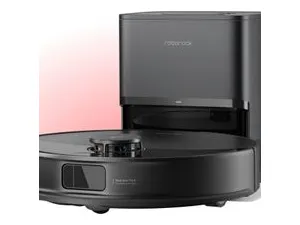 Best OfBest budget robot vacuumsThe best budget robot vacuums for 2027: cheap robots with LiDAR mapping and self-emptying bases, plus what you…
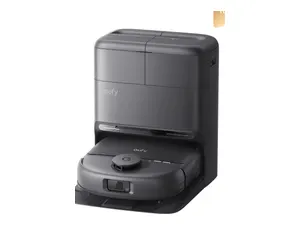 Best OfBest under $500The best robot vacuums under $500 in 2027: which models regularly sell below $500, what features you can expec…
 GuidesBlack Friday robot vacuum dealsRobot vacuum Black Friday 2026 deals guide: which robot vacuums to buy on sale, what counts as a good price, h…GuidesRobot vacuum maintenanceRobot vacuum maintenance schedule: cleaning brushes, filters, sensors, mop pads and docks, when to replace par…GuidesAre robot vacuums worth it?Are robot vacuums worth it? The honest pros and cons, time saved, real costs, who should skip one, and how to …ComparisonsRobot vs stick vacuumRobot vacuum vs cordless stick vacuum: daily maintenance vs deep cleaning, stairs, upholstery, cost and time s…