Quick answer
- LiDAR: fast, accurate maps in any light; can't tell a sock from a shoe on its own.
- Camera: recognizes objects; needs light; raises privacy questions.
- Best: both together, as on most current flagships.
| LiDAR | Camera (vSLAM + AI) | 3D solid-state (e.g. StarSight) | |
|---|---|---|---|
| Mapping speed | Fast | Slower | Fast |
| Works in dark | Yes | Limited | Yes |
| Recognizes objects | No (needs extra sensors) | Yes | With built-in camera |
| Robot height | Taller (turret) | Low | Low |
| Privacy | Low concern | Higher | Moderate |
LiDAR explained
A laser on a spinning turret measures distance to walls and furniture all around the robot. Software stitches these into a floor plan. It's reliable and fast, which is why it became the standard on good robots. The downsides: the turret adds height, and LiDAR alone sees shapes, not identities.
Camera navigation explained
Camera robots track features in the room to locate themselves. Front cameras with AI recognition identify obstacles. iRobot's Roombas have long relied on cameras.
Why the best robots use both
A flagship like the Dreame X60 Max Ultra maps with LiDAR and recognizes obstacles with a camera. The Saros 20 Sonic pairs laser mapping with AI obstacle recognition, and the Deebot X9 Pro Omni adds dToF LiDAR with an RGBD 3D sensor.
Which should you choose?
- Tidy home, budget: LiDAR-only is excellent value; see the budget picks.
- Clutter, pets: LiDAR plus camera; see best obstacle avoidance.
- Privacy-first: LiDAR-only, or a camera robot with uploads turned off.
Prices change often on Amazon. Check the live price before you buy.
Frequently asked questions
Does LiDAR work in the dark?
Yes. LiDAR uses its own laser light, so it maps and navigates in complete darkness. Camera-only robots need some light.
Are camera robot vacuums a privacy risk?
They can capture images of your home. Reputable brands process images on the robot and let you control uploads. See our privacy guide.
Keep reading
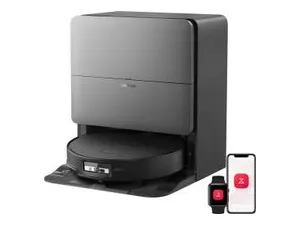 Best OfBest obstacle avoidanceThe best robot vacuums with obstacle avoidance in 2027: AI camera and 3D-sensing robots that dodge cables, soc…GuidesRobot vacuum privacyRobot vacuum privacy and security: what maps and camera images are collected, real incidents, how to lock down…
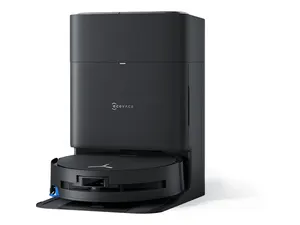 ReviewsRoborock Saros 20 Sonic reviewOur Roborock Saros 20 Sonic review: 36,000 Pa suction, VibraRise 5.0 vibrating mop, threshold climbing, RockDo…
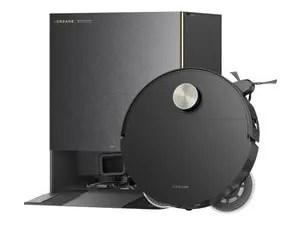 Best OfBest robot vacuumsThe best robot vacuums for 2027, ranked for every home and budget, with vacuum-mop and self-emptying picks fro…
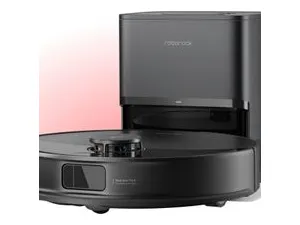 ComparisonsRobot vs stick vacuumRobot vacuum vs cordless stick vacuum: daily maintenance vs deep cleaning, stairs, upholstery, cost and time s…